


After years of struggle and speculation about its future, Greensboro’s Interactive Resource Center—a day center for those experiencing homelessness— now owns the downtown building in which it has operated for more than 15 years.
When the center, known as the IRC, first opened in 2009, the Strasser Family donated the space with a stipulation that if it was still operating successfully in 15 years, the deed to the property at 407 E. Washington Street would go to the non-profit that operates the center. Last month, the group took ownership—a milestone that wasn’t easy to achieve.
“The gift of this building is a profound act of generosity that will shape the future of the Interactive Resource Center and the people we serve,” said Jim King, chair of the IRC board, in a statement. “For fifteen years, the IRC has called this building home. Now owning it will allow us to grow, innovate, and respond more boldly at a time when our unhoused neighbors need us most.”

After the COVID-19 pandemic and an economic downturn led to a rise in homelessness, the center tried moving to a 24-hour model. It found itself overwhelmed with more people than it could handle, and litter, crime, and police and emergency calls to the building led to tensions with the Greensboro City Council and with neighbors.
After the board moved the center back to the original daily model, the last executive director stepped down, the board chose a new one, and things began to stabilize. The IRC’s board has been working to make the center more of a part of downtown and restore relationships with neighbors and property owners in the area.
“This ownership means we are now truly part of the downtown community,” said Deonna Kelli Sayed, an IRC board member. “We have an investment in the downtown community, and it allows us to be part of downtown conversations in a different way.”

Tensions with a city council worried about safety and its level of investment in the center, along with tensions with the non-profit Downtown Greensboro Incorporated (DGI), boiled over in 2024. But over the last year, Sayed said, the IRC has been collaborating closely with DGI’s Downtown Ambassadors, police, and the city’s Behavioral Health Response Team (BHRT).
“We had a partner training for downtown businesses in November, in partnership with DGI,” Sayed said. “Two years ago, this would have been impossible. But for us, we felt it’s important that not only that we are a resource for people experiencing homelessness, but we’re also a resource for our downtown community. Because we know that downtown businesses are having to deal with this issue too, and it can sometimes be challenging.”
Bennita Curtain was named executive director of the IRC in April of last year. Since then, she said, there has been a marked improvement not only in how the center has been able to operate but its position in the community. Ownership of the building is “a dream come true,” she said.

“We knew it was something the Strasser family wanted to do,” Curtain said this week. “But they wanted us to be in a good financial position overall before they donated it. They just wanted to make sure that everything was going right within the agency. About a year and a half ago, when things weren’t looking so great, it felt like that dream was not going to be fulfilled.”
“I think us reaching this mark means there’s a recognition that we’re fighting more than ever to address the needs of those experiencing homelessness, especially in a time when the numbers are growing,” Curtain said. “And that the community really stepped up despite all of the negative publicity and said, ‘Okay, we want to see you all survive.’ We have to give credit to the city for understanding the need and for giving us a chance, coming to the table, having some meetings about funding, and working it all out with us.”
Mayor Pro Tem Denise Roth was just elected to council in November—but she spent years as Greensboro’s city manager before that and saw the evolution of the IRC, which she said may be more needed than ever. Ownership of the building is testament to their work over the last 15 years, she said.
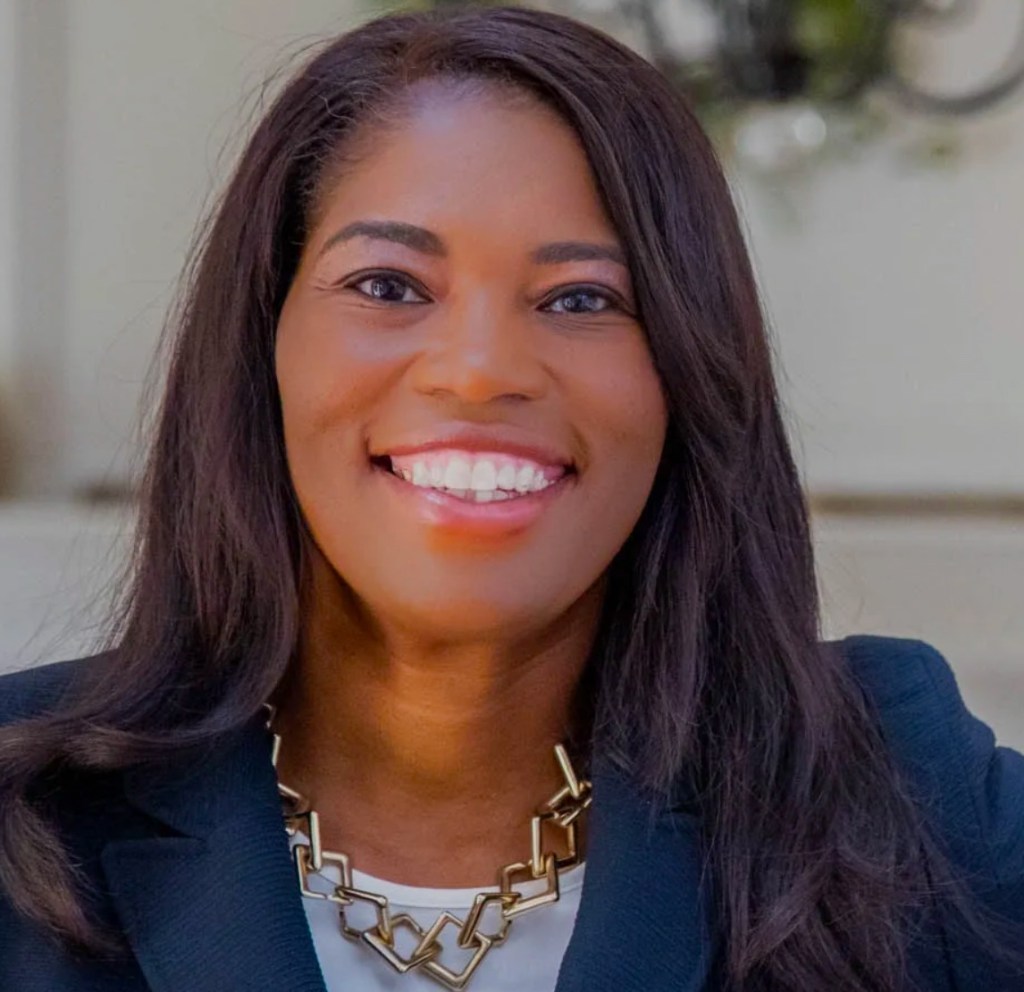
“I think given the rigmarole in the turmoil over the recent years, especially, it says a lot that they’ve gotten to this place where they’re recognized to have done enough and have committed to the community that they’ve actually earned this,” Roth said.
The IRC is an important tool in how the city deals with the short and long-term needs of the unhoused, Roth said. The center has worked hard to address the concerns from neighbors and from the city, Roth said—and they likely have more hard work ahead of them.
“Our downtown is really evolving,” Roth said.
She pointed to grant money for improvements at the J. Douglas Galyon Depot just up E. Washington Street from the IRC and last years’ sale of the former News & Record site by Center City Investors LLC, a partnership between developers and the Community Foundation of Greater Greensboro, The Joseph M. Bryan Foundation, The Cemala Foundation, Durant and Mary Katherine Bell, Megan Olgesby, Matt Penley and Mark Penley.
“What the IRC looks like and what its programming looks like, how it integrates with what the future downtown living and downtown life looks like, will need to evolve with it as well,” Roth said. “We’ll look forward to seeing how they evolve.”